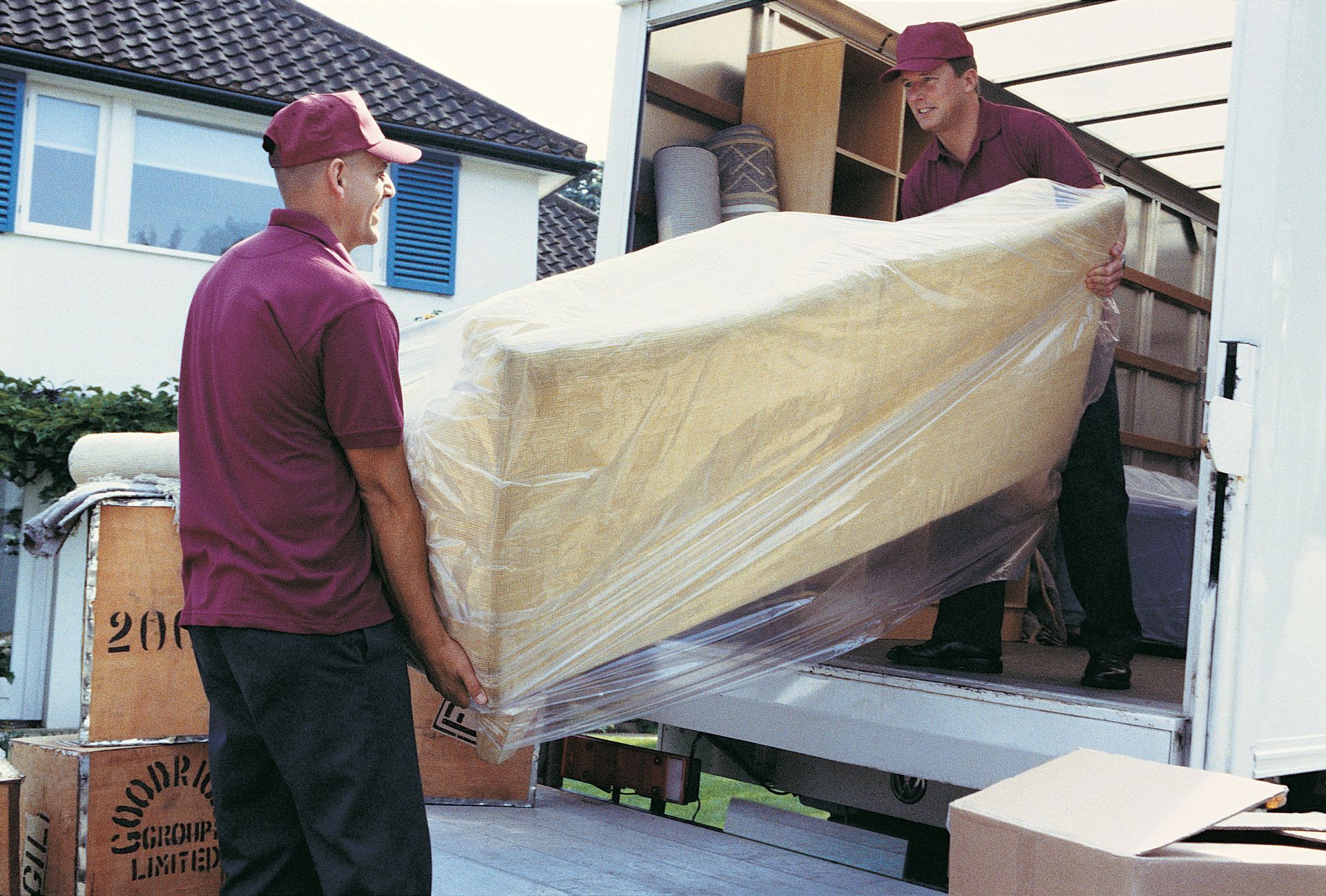
Relocating a business involves far more than transporting furniture and equipment from one location to another. Companies must coordinate employees, technology, inventory, workstations, and operational schedules while attempting to minimize interruptions. Every phase of the move requires careful planning to ensure the transition proceeds efficiently. Without proper coordination, even a relatively small relocation can create unexpected delays that affect productivity and daily operations.
One of the most significant challenges businesses face during a move is managing multiple timelines simultaneously. Departments often have different needs, and certain assets may need to be relocated in a specific order to maintain workflow continuity. Commercial moving professionals understand how to create structured relocation plans that account for these variables. Their experience helps businesses stay organized and focused throughout the transition process.
Coordinating Large Inventories With Greater Accuracy
Many organizations accumulate substantial amounts of furniture, equipment, records, and supplies over time. Tracking these assets during a move can quickly become overwhelming without a systematic approach. Missing or misplaced items can create confusion and slow the setup process at the new location. Maintaining accurate inventory control is essential for an efficient relocation.
Professional commercial moving teams use organized inventory management strategies to keep assets accounted for throughout every stage of the move. Detailed labeling systems, item tracking methods, and coordinated loading procedures help ensure that materials arrive where they belong. This level of organization minimizes disruptions and supports a smoother transition. Businesses benefit from knowing that important assets remain properly managed from departure to arrival.
Handling Specialized Equipment With Advanced Expertise
Many businesses rely on equipment that requires special care during transportation. Computers, servers, medical devices, manufacturing tools, and other specialized assets often contain sensitive components that can be affected by improper handling. Moving these items safely requires more than standard transportation techniques. Specialized knowledge is often necessary to protect valuable equipment throughout the relocation process.
Commercial moving experts understand the unique requirements associated with transporting sensitive and high-value equipment. They utilize proven handling procedures designed to reduce risks during loading, transportation, and unloading. Their familiarity with complex equipment allows them to anticipate potential challenges before they arise. This expertise helps businesses avoid unnecessary complications and maintain operational readiness after the move.
Maintaining Business Continuity With Strategic Execution
One of the primary concerns during any relocation is maintaining business continuity. Companies often cannot afford extended interruptions that affect customer service, employee productivity, or operational efficiency. A poorly managed move can create disruptions that continue long after the relocation itself has been completed. Careful execution is essential to minimize downtime.
Experienced commercial moving professionals develop strategies that help businesses remain functional throughout the transition. These plans often involve carefully coordinated schedules and phased moving approaches that reduce operational interruptions. By anticipating logistical challenges and preparing solutions in advance, moving experts help organizations maintain momentum during the relocation process. Their planning contributes to a more seamless transition from one facility to another.
Organizing Office Layouts With Improved Efficiency
Moving into a new space often presents challenges related to layout and workspace organization. Businesses may need to accommodate different floor plans, departmental arrangements, and employee workstations. Without a clear setup strategy, the relocation process can become inefficient and time-consuming. Proper planning helps ensure that the new environment supports operational goals.
Commercial moving specialists assist with coordinating furniture placement, workstation arrangements, and departmental configurations. Their experience allows them to execute setup plans efficiently while minimizing confusion during move-in activities. Organized layouts help employees adapt more quickly to their new surroundings. A thoughtfully planned workspace contributes to improved productivity and operational effectiveness.
Relocating Technology Systems With Minimal Disruption
Modern businesses depend heavily on technology infrastructure to support daily operations. Computers, networking equipment, communication systems, and data storage solutions all play critical roles in organizational success. Relocating these systems requires careful coordination to avoid disruptions that could affect business performance. Technology-related challenges often represent some of the most complex aspects of a commercial relocation.
Commercial moving professionals frequently work alongside technology teams to coordinate equipment transportation and setup schedules. Their structured approach helps ensure that critical systems are moved efficiently and prepared for reinstallation. Proper coordination reduces the likelihood of extended downtime and operational interruptions. Businesses benefit from a more organized transition of essential technology assets.
Navigating Building Requirements With Professional Coordination
Every commercial property presents its own logistical considerations during a move. Building access restrictions, loading dock schedules, elevator availability, and space limitations can all influence relocation planning. Failing to account for these factors may result in delays and unnecessary complications. Understanding how to navigate these challenges is an important part of a successful move.
Professional movers have experience working within a wide range of commercial environments. They coordinate logistics carefully to ensure that moving activities align with building requirements and operational schedules. Their familiarity with complex relocation scenarios allows them to adapt efficiently when challenges arise. This level of coordination helps keep projects moving forward according to plan.
Managing Employee Transitions With Better Organization
Employees are often directly affected by a business relocation. Changes in workspace arrangements, schedules, and daily routines can create uncertainty if the move is not properly organized. Helping employees adjust efficiently is an important aspect of maintaining productivity during a transition. Effective planning can significantly improve the overall relocation experience.
Commercial moving experts contribute to smoother employee transitions by helping businesses implement organized moving schedules and workspace setup plans. Their support allows staff members to focus on their responsibilities rather than relocation logistics. Clear organization reduces confusion and helps employees settle into their new environment more quickly. This creates a more positive experience for everyone involved.
Addressing Large-Scale Logistics With Industry Knowledge
Large commercial relocations often involve numerous moving parts that must be coordinated simultaneously. Multiple departments, extensive inventories, specialized equipment, and complex scheduling requirements all contribute to the complexity of the project. Managing these elements successfully requires extensive experience and logistical expertise. Businesses frequently encounter challenges that are difficult to anticipate without professional guidance.
According to IBISWorld, the moving services industry in the United States is worth $23.4 billion in 2026. This substantial market size reflects the ongoing demand for professional relocation services across a wide range of industries. Commercial moving providers continue to play a critical role in helping businesses navigate increasingly complex relocation projects. Their expertise supports more efficient and organized transitions.
Professional moving teams understand how to manage large-scale projects while maintaining attention to detail. They coordinate resources, schedules, and personnel to keep the relocation process moving efficiently. Their ability to solve logistical challenges helps businesses avoid unnecessary disruptions. Industry knowledge remains one of the most valuable advantages commercial moving professionals provide.
Achieving Successful Relocations With Professional Support
Business relocations involve challenges that extend far beyond transporting items from one location to another. Companies must manage timelines, inventories, technology systems, employee transitions, and facility logistics while maintaining operational efficiency. Successfully balancing these responsibilities requires careful planning and specialized expertise. Professional support can make a significant difference in the overall outcome of the move.
Commercial moving professionals bring experience, organization, and problem-solving capabilities that help businesses navigate complex relocation projects. Their ability to coordinate multiple moving components contributes to smoother transitions and reduced operational disruptions. By addressing challenges proactively, they help organizations focus on their long-term goals rather than relocation obstacles. Effective planning and execution create a stronger foundation for success in a new location.
At Precision Moving Company, we understand the unique challenges businesses face during relocation projects. We provide professional commercial moving solutions designed to help organizations manage complex transitions with greater efficiency and confidence. Our team is committed to delivering organized, dependable service that helps our clients move forward smoothly while minimizing disruptions to their operations.